The COVID-19 pandemic is an unprecedented situation. Your pets will suddenly see that you are now spending more time at home , more than usual and this causes serious pet issues. Remember their routine has changed.. Here are some tips to help.
Stick to your routine
Feed them at normal time , Dogs, cats, and other pets like routine. Do your normal things , take them for their walks at the same time they like to see their friends and give a wave. They also have a social life believe it or not.
Safe Areas for your pets
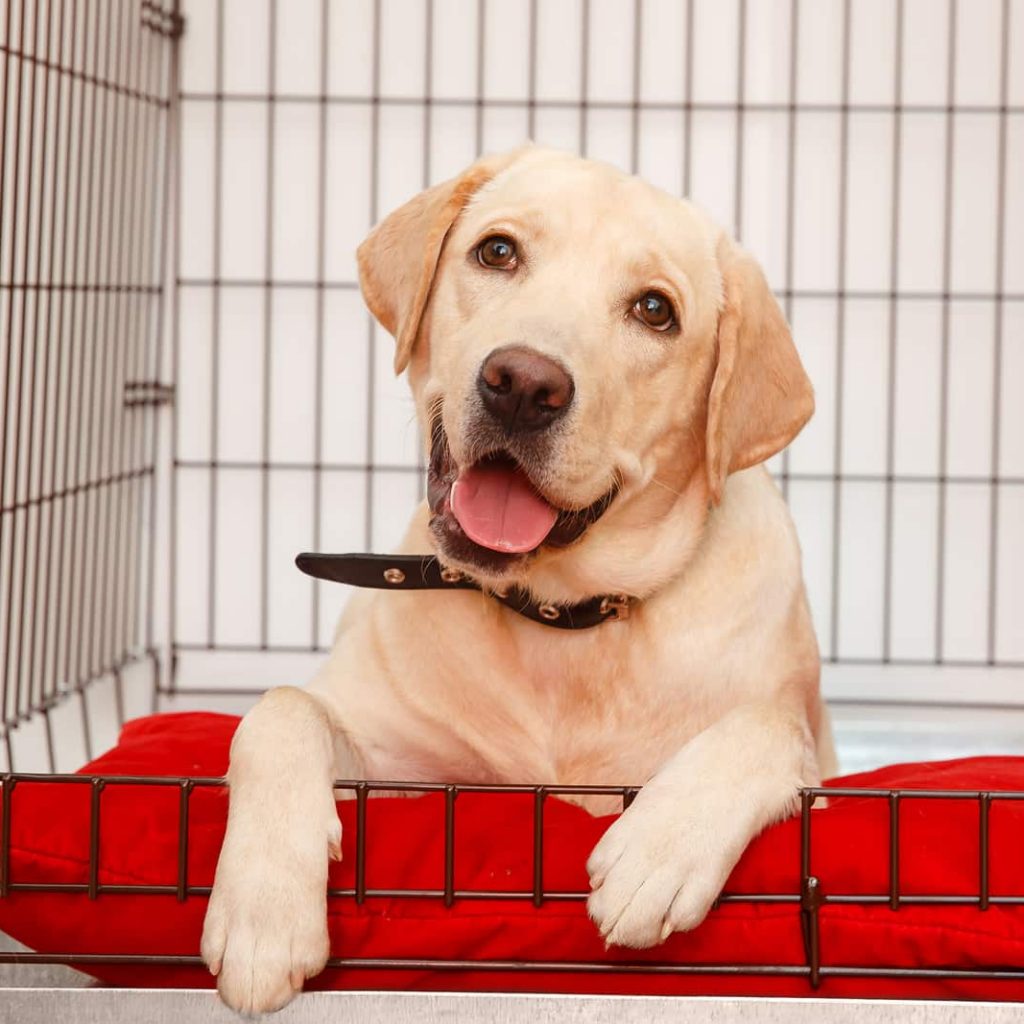
They will be happy that yu are home but they will get stressed that you are in their space more now. They will all of a sudden have the TV on 24/7 , kids running around shouting making a noise. Make sure your dog / cat or pet have a place of their own , (safe room) has a safe space where they can go to relax if they want some alone time. For dogs, this could be a pet bed where you will never disturb them, or a crate with some nice cozy bedding in it. For cats, hiding spaces should be just the right size for an individual cat, as even in a multi-cat home, cats like to have space on their own. For cats, providing a safe space is one of the five pillars of a healthy feline environment (and problems with the environment can cause behaviour issues, which is the main welfare issue facing pet cats).
Supervise your pets and young children closely
Young children are at greater risk from pets, and in particular they are at much greater risk of dog bites. To reduce the risk of a bite, don’t let young children approach a dog that is sitting or lying down but instead teach them to call the dog to them (with your help).Use pet gates and barriers to keep them separated while you can’t supervise closely, and if you are supervising, take a cautious approach. Research shows that many people mistakenly think that dogs are relaxed around young children when they aren’t – and dog owners are worse than those without dogs at this.
Make more time for play
Play is important for our pets. It’s an outlet for normal behaviour and helps strengthen their relationship with you. So now is a great time to fit in more play time, whether it’s a game of tug with your dog or playing with a wand toy with your cat. Did you know that cats who get more play time with their owner are less likely to have behaviour problems?
Use a harness for walking the dog
If you’re practicing social distancing*, it’s still okay to take your dog for a walk, but you (and your dog) need to stay 2 metres (6 feet) away from everyone else. This means your dog must be on a leash. If you don’t normally walk them on leash and it turns out they pull pretty hard, get a front-clip harness. I love the Freedom harness (especially good for escape artists because you can use the back and front clip), the sense-ation harness, and the balance harness. Most dogs are happy to be walked on a harness, but as always when introducing something new, give lots of treats to create a positive association.
You should also train your dog to walk nicely on leash using treats as frequent rewards. And remember to give your dog plenty of sniffing time!
Do some tricks training
If you want to tire your dog out without taking them on a walk, tricks training is the perfect thing. Use great dog training treats and break the behaviours down into little steps so as not to go too fast. There are plenty of trick training videos on Youtube. You can also try tricks training with your cat, or maybe use the spare time at home to teach them to use their cat crate. Dont limit this only to them include the birds, goldfish as well.
Feed them with food puzzle toys
Another way to provide enrichment for your pet is to use food puzzle toys to feed their meals. Food puzzle toys mean that your cat or dog has to work to get their food. In cats, food puzzle toys can help reduce behaviour issues. For both dogs and cats, start with easy toys and use treats to get them interested, and then start to feed their meals via the toys.
Don’t use punishment
If you’re at home more than normal, you might find that some of your pet’s behaviours are more irritating than normal because you’re there and so they happen more often. Don’t make the mistake of using punishment – such as shock collars, prong collars, leash corrections, yelling, or using spray bottles – because punishment is associated with risks to animal welfare including fear, anxiety, stress, as well as an increased risk of aggression and of a worse relationship with the owner
Instead, decide what behaviour you would like to see instead and use positive reinforcement to teach your pet to do it. Use food to reward behaviours you like, and if you’re teaching a new behaviour, remember to break it down into easy steps. Sometimes you can prevent the behaviour you don’t like from happening in the first place e.g. don’t leave food on the counter if you don’t want your pet eating it and keep the garbage locked up.
To assist you we are offering are now offering online classes and consults so you can still meet with them, just not in person..
Get your learning on
This recharge time or down time is a good time to start training your pets and yourself.
DO one of our one line courses dog training Dr Ian Dunbar is an amazing speaker and vet , or even First Aid for Dogs.
My challenge to you is ,How many words does your dog know? Tell us.
How many tricks can your dog do?
Enter to get our Trick Certificate and a prize.
Finally, remember to look out for more vulnerable people in your community who might need a bit of help, even if you have to do that help from a distance, whether it’s dropping off groceries and pet food on the doorstep or just chatting over the phone to help them make sense of what’s going on.